TFL Bearing
Bearing Selection

How to Select Spherical Roller Bearings for High-Temperature Applications

Guide to selecting spherical roller bearings for high-temperature environments, covering clearance, cage material, lubrication, and stabilization.

June 1, 2026 8 min read Reviewed for sourcing context by TFL Bearing team
high temperaturebearing selectionclearancecage materiallubrication
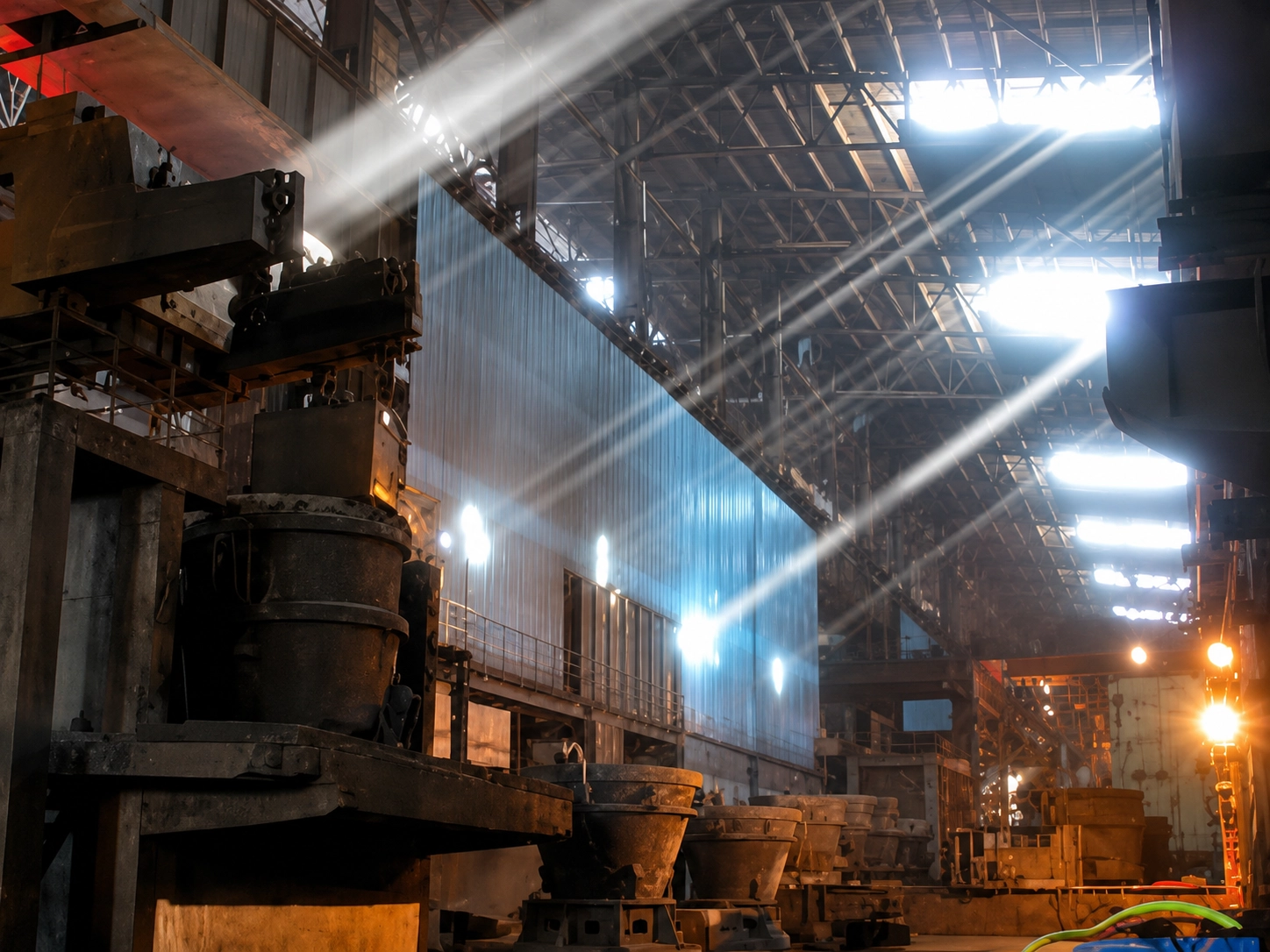
Spherical roller bearing technical review scene for RFQ context

Why Temperature Matters in Bearing Selection

Standard spherical roller bearings are typically rated for continuous operation at temperatures up to 120°C with conventional grease lubrication. Above this threshold, every aspect of bearing performance changes: the steel expands, the grease degrades faster, the internal clearance closes, and the risk of premature failure increases exponentially.

For applications like steel mill continuous casting lines, paper machine dryer sections, cement kilns, and industrial fan hot-gas recirculation — where operating temperatures routinely reach 150–200°C — bearing selection must account for these thermal effects from the start.

Dimensional Stabilization: The Foundation

Standard bearing steel (GCr15 / 100Cr6) undergoes microstructural changes at elevated temperatures that cause dimensional growth — the rings expand slightly and permanently. A bearing that is precision-ground at room temperature can lose its ABEC tolerance class after hours of operation at 180°C.

The solution is dimensional stabilization — a special heat treatment process applied to the bearing rings during manufacturing:

Stabilization ClassMaximum Operating TemperatureTypical Application
S0 (standard)120°CGeneral industrial
S1150°CModerate heat, fans, kilns
S2200°CSteel mills, paper dryers
S3250°CExtreme heat, special applications

For steel mill and paper machine applications, specify S2-stabilized bearings as a minimum.

Internal Clearance: C3, C4, or C5?

The single most common mistake in high-temperature bearing selection is specifying standard (CN) internal clearance. At 200°C, the inner ring expands more than the outer ring because it is hotter and has less surface area for heat dissipation. This differential expansion closes the internal clearance.

A bearing with CN clearance at room temperature may have zero or negative clearance at 200°C — leading to rapid overheating and seizure.

Clearance guide for high-temperature applications:

  • C3: Suitable up to approximately 120°C with normal temperature differential between inner and outer rings
  • C4: Required for 150–200°C applications, steel mill run-out tables, paper machine dryers, kiln fans
  • C5: For applications above 200°C, or where the inner ring runs significantly hotter than the outer ring (e.g., directly heated shafts)

Always specify C4 as the minimum for continuous operation above 150°C.

Cage Material Selection

The cage must maintain its mechanical properties at the operating temperature:

  • Pressed steel cage (CC type): Acceptable up to 150°C. Above this temperature, the steel loses strength and the cage may deform under roller forces.
  • Machined brass cage (CA, MB, MA types): Required for operation above 150°C. Brass retains strength better than steel at elevated temperatures and provides superior guidance accuracy.
  • Machined steel cage (special): Available for applications where brass is incompatible with the lubricant or environment.

For steel mill and high-temperature fan applications, specify machined brass cage (CA) as the standard.

Lubrication for High Temperatures

Standard lithium grease has a dropping point around 180–200°C and an operating temperature limit of approximately 120°C for continuous service. For high-temperature applications:

  • Polyurea grease: Operating range -30°C to 160°C. Good oxidation stability. Standard for many sealed bearings.
  • PTFE-thickened (PFPE) grease: Operating range -40°C to 200°C+. Excellent chemical resistance. For extreme high-temperature applications.
  • Oil circulation systems: For continuous operation above 180°C, oil circulation with external cooling is generally preferred over grease.

Relubrication intervals should be calculated using the bearing manufacturer’s formula, with a temperature correction factor. As a rule of thumb, grease life halves for every 15°C increase in operating temperature above 70°C.

Practical Selection Checklist

When specifying spherical roller bearings for a high-temperature application:

  1. Confirm the actual sustained operating temperature — not the peak, not the ambient, but the temperature the bearing rings reach at steady state
  2. Specify S2 dimensional stabilization for applications above 150°C
  3. Specify C4 or C5 internal clearance depending on the temperature differential
  4. Specify machined brass cage (CA type)
  5. Select lubricant with operating range exceeding the bearing temperature by at least 20°C
  6. Calculate relubrication intervals using the temperature-corrected formula
  7. Consider sealed SB series bearings for applications where field relubrication is difficult

For complex high-temperature applications, send your operating conditions to our engineering team for application-specific recommendations.

Engineering Review

Not sure which bearing fits your case?

Send us the current model number, application equipment, operating speed, temperature, load, and quantity. TFL's bearing team can check clearance, cage, sealing, and cross-reference risk before you place an order.

Technical content reviewed for sourcing context by TFL Bearing team.

Request Technical Review

RFQ Details to Prepare

Send the details below so TFL Bearing can review the model, suffix, application risk, documents, and quotation route before confirming supply options.

RFQ detail Example Why it matters
current brand / model SKF 22222 EK/C3, FAG 22320-E1-K, NSK 22320EAKE4, or photo if unclear Brand and model references help identify suffix conventions and avoid assuming equivalence from dimensions alone.
full suffix / marking K, K30, C3, C4, W33, CA, CC, MB, 2RS, or full ring marking photo Suffixes can change bore type, clearance, cage design, lubrication groove, sealing, and replacement risk.
dimensions Bore x OD x width, measured bearing sample, or drawing dimensions Dimensions are a starting check, but they must be reviewed together with suffix and application.
application equipment crusher, vibrating screen, fan, gearbox, conveyor pulley, paper machine, or steel mill position Application context affects load, shock, speed, contamination, lubrication, and document review.
quantity 1 large bearing, 2 pcs for maintenance, 50 pcs distributor stock, or annual demand Quantity affects quote route, packing, production planning, inspection scope, and freight review.
destination Destination country, port, warehouse, distributor address, or project site region Destination affects export documents, packing method, shipping route, and trade-term review.
required documents Inspection report, material certificate, COO, RoHS / REACH statement, packing photos, buyer template Document requirements must be confirmed before quotation because scope depends on order route and buyer template.
full bearing model 22222 EK/C3 W33, 22320 CAK/W33, or photo of the full marking Identifies the series, size group, bore style, clearance reference, and starting point for quotation review.

Ask TFL to Check Your Bearing

Share the basics and TFL Bearing will review the sourcing context for your RFQ.

Engineering Support

Need Bearing Selection Advice?

Send us your application details, bearing specifications, or BOM. TFL Bearing can review model fit, sourcing risk, and available documentation before quotation.